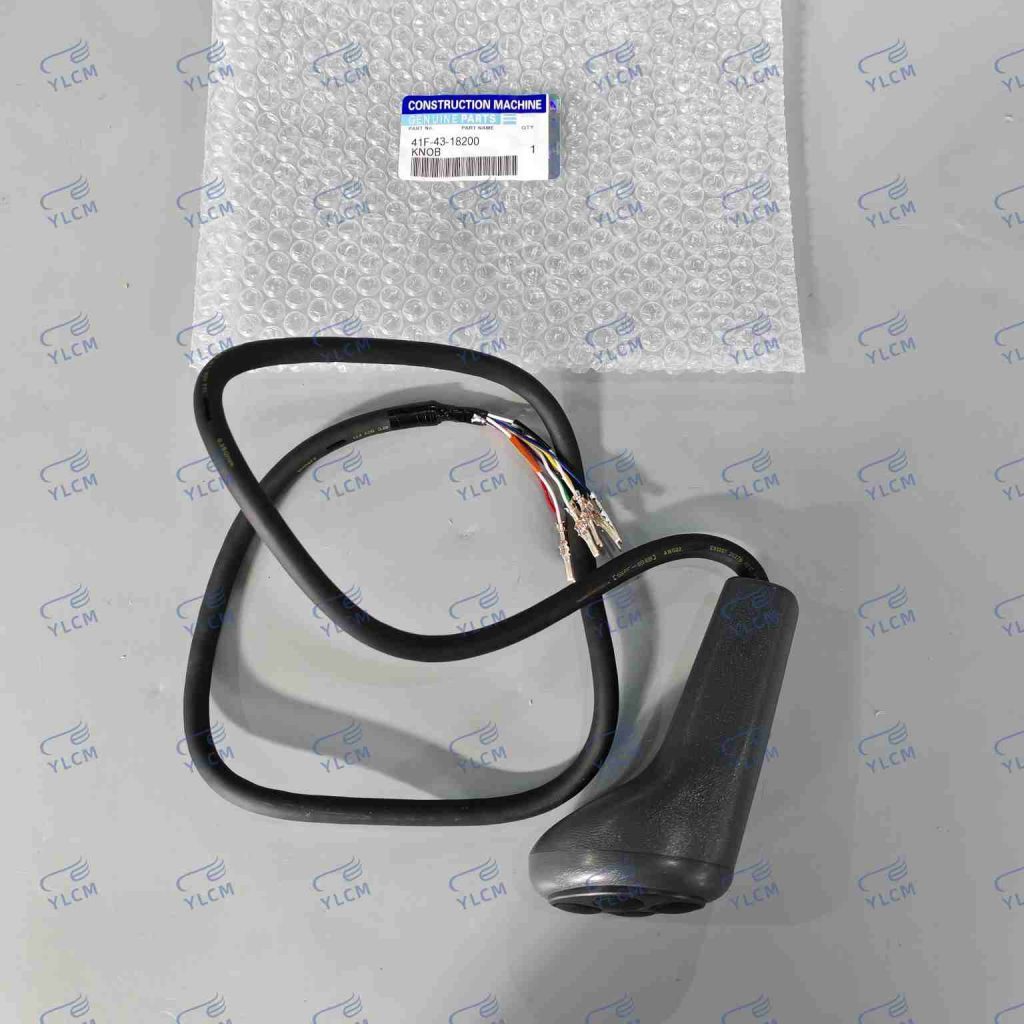
Locating a appropriate heavy equipment parts can be a tricky task for many mechanics technician. This guide delivers some complete look at strategies for finding quality aftermarket heavy equipment parts. Evaluate elements like OEM fitment , availability , price , and shipping durations to guarantee you acquire precisely what you are . Avoid settling for lesser components – purchasing in top-notch heavy equipment parts is going to improve your machine’s operational life and reduce site delays.
Heavy Equipment Parts : Improving Operational Time & Reducing Expenditures
Maintaining a fleet of earthmoving vehicles demands a smart approach to heavy equipment parts management. Unplanned breakdowns can quickly halt project schedules and increase operational expenditures. Therefore, emphasizing quality heavy equipment parts, establishing a preventative component replacement program, and improving parts supply levels are vital to ensuring productivity and minimizing aggregate costs. Obtaining original heavy equipment parts can often prove more advantageous in the long term due to increased wear longevity and lower maintenance frequency.
Crucial Heavy Equipment Parts You Require Know
Maintaining your fleet relies heavily on understanding critical heavy equipment parts. Regular servicing begins knowing the role of core items like high-pressure hoses, motor filters, undercarriage belts , and track rollers. Ignoring these necessary elements can result in expensive repairs and impact productivity . Understanding yourself with these primary heavy equipment parts can keep your construction processes running smoothly.
Sourcing Authentic Heavy Equipment Parts: What to Look For
Finding genuine backup heavy equipment parts for your substantial equipment can be a difficulty, but ensuring legitimacy is vital. Look for suppliers who work with the heavy machinery manufacturer directly, offering documented production sources . Check the wrapping for legitimate brand stampings and authenticate part numbers against the original equipment system. Beware of unusually low prices , as they often point to fake items. Finally, consider reviews from other fleet owners regarding the supplier's reputation and dependability in delivering quality heavy equipment parts.
Replacing Heavy Equipment Parts: A Step-by-Step Manual
When your construction equipment has malfunctions with specific components, replacing heavy equipment parts is often essential to maintaining productivity . This manual provides a straightforward step-by-step approach for many heavy equipment parts replacements . First, thoroughly locate the appropriate element number. Then, assemble the needed implements and personal attire. Next, detach any hydraulic connections and properly brace the damaged machinery component. Finally, extract the old component and place the upgraded one, reversing the removal actions. Always check your machinery's particular repair guidebook for exact guidance.
Common Heavy Equipment Parts Malfunctions & How to Stop Them
Many excavator and bulldozer owners face recurring challenges due to premature heavy equipment parts malfunction. Often , hydraulic seal kits crack due to high pressure , causing fluid leaks and reduced performance . Undercarriage belts experience breakage from rough terrain, while diesel engines can suffer from high temperatures if maintenance is overlooked . To minimize these difficulties, consistent component inspections are crucial , including checking fluid levels, undercarriage pressure, and screen condition. Proper greasing of rotating heavy equipment parts, alongside sticking to manufacturer recommendations for maintenance , can significantly extend the lifespan of your equipment and diminish costly fixes .
The Future of Heavy Equipment Parts: Technology & Innovation
The landscape of heavy equipment parts is heavy equipment parts undergoing a dramatic evolution, fueled by significant technological advancements and pioneering solutions. We’re seeing a move beyond traditional supply chains towards more connected platforms. AI is poised to play a vital role, predicting heavy equipment parts breakdowns before they occur and streamlining maintenance schedules. Furthermore, 3D printing promises custom component production, minimizing lead times and enhancing responsiveness. Expect to see a greater priority on telematics , allowing technicians to troubleshoot component issues virtually . The future includes:
- Condition-based heavy equipment parts replacement
- Blockchain technology for part verification
- Smart sensors for real-time component monitoring
- Sustainable parts and remanufacturing practices
This combination of technologies promises a optimized and reliable future for heavy equipment parts, benefiting fleet operators and service providers alike.
Understanding Heavy Equipment Parts Numbers & Compatibility
Navigating the world of alternative heavy equipment parts can be difficult , particularly when trying to identify the precise part for your excavator . Understanding heavy equipment parts numbers and undercarriage fit is vital for avoiding costly mistakes and ensuring peak operational function . These numbers are distinct identifiers, often containing manufacturer data and exact component attributes. Meticulous research, consulting the owner's manual, or utilizing virtual heavy equipment parts directories are recommended steps to ensure right component pick and avoid conflicts.
Cost-Effective Solutions for Heavy Equipment Parts
Finding budget-friendly substitute heavy equipment parts for your earthmoving equipment doesn't require a difficult process. Many choices exist to reduce costs without compromising reliability. Consider investigating remanufactured heavy equipment parts, which often offer considerable savings compared to brand new pieces . Furthermore, procuring directly from alternative heavy equipment parts vendors or taking advantage of digital platforms can often uncover even greater chances for budget-conscious component acquisition .
Heavy Equipment Parts: Care Guidelines for Longevity
To extend the useful life of your critical heavy equipment parts, scheduled servicing are vital. Consistent inspection of core heavy equipment parts such as buckets, fuel systems, and belts can detect upcoming issues before they escalate into major overhauls. Always respect the supplier's suggested lubrication frequency and use only high-quality heavy equipment parts for substitutions. Finally, careful transportation of parts when not in use will minimize wear and contribute to their overall longevity.
Selecting the Optimal Suppliers for Your Heavy Equipment Parts Demands
Securing trustworthy heavy equipment parts for your machinery is critical to maintaining operational productivity . Choosing the correct heavy equipment parts suppliers requires meticulous consideration. Evaluate potential vendors based on criteria such as part availability , costs , shipping schedules , and technical support . Think about suppliers with a proven track record, positive reputation, and the capacity to provide quality heavy equipment parts efficiently. Don't hesitate to request industry testimonials and compare quotes from several sources before making a ultimate determination.
Specialized Heavy Equipment Parts: A Detailed Overview
Procuring genuine heavy equipment parts and earthmoving hardware assemblies requires the grasp of specific requirements. These aren't your typical machinery items; they’re essential for the functionality of significant machines like excavators and cranes . Obtaining the correct replacement heavy equipment parts involves considering aspects such as manufacturer suitability , chassis code, and composition specifications . A detailed evaluation of these points ensures minimal jobsite disruption and peak machine output. Furthermore, the availability of experienced technical assistance can be invaluable when dealing with these sophisticated hydraulic assemblies .